

Reflections from the Insight Youth Employment Forum 2025
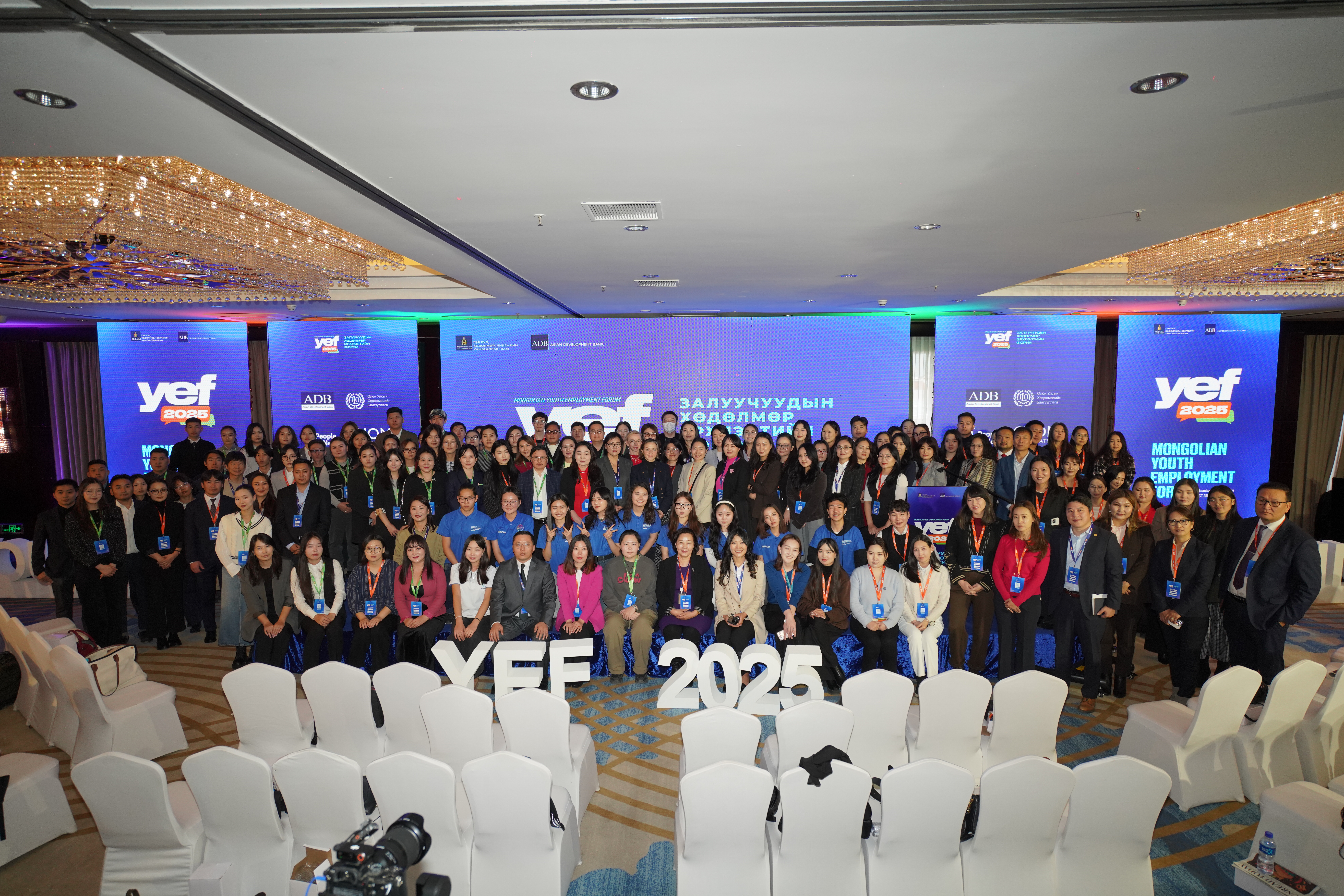
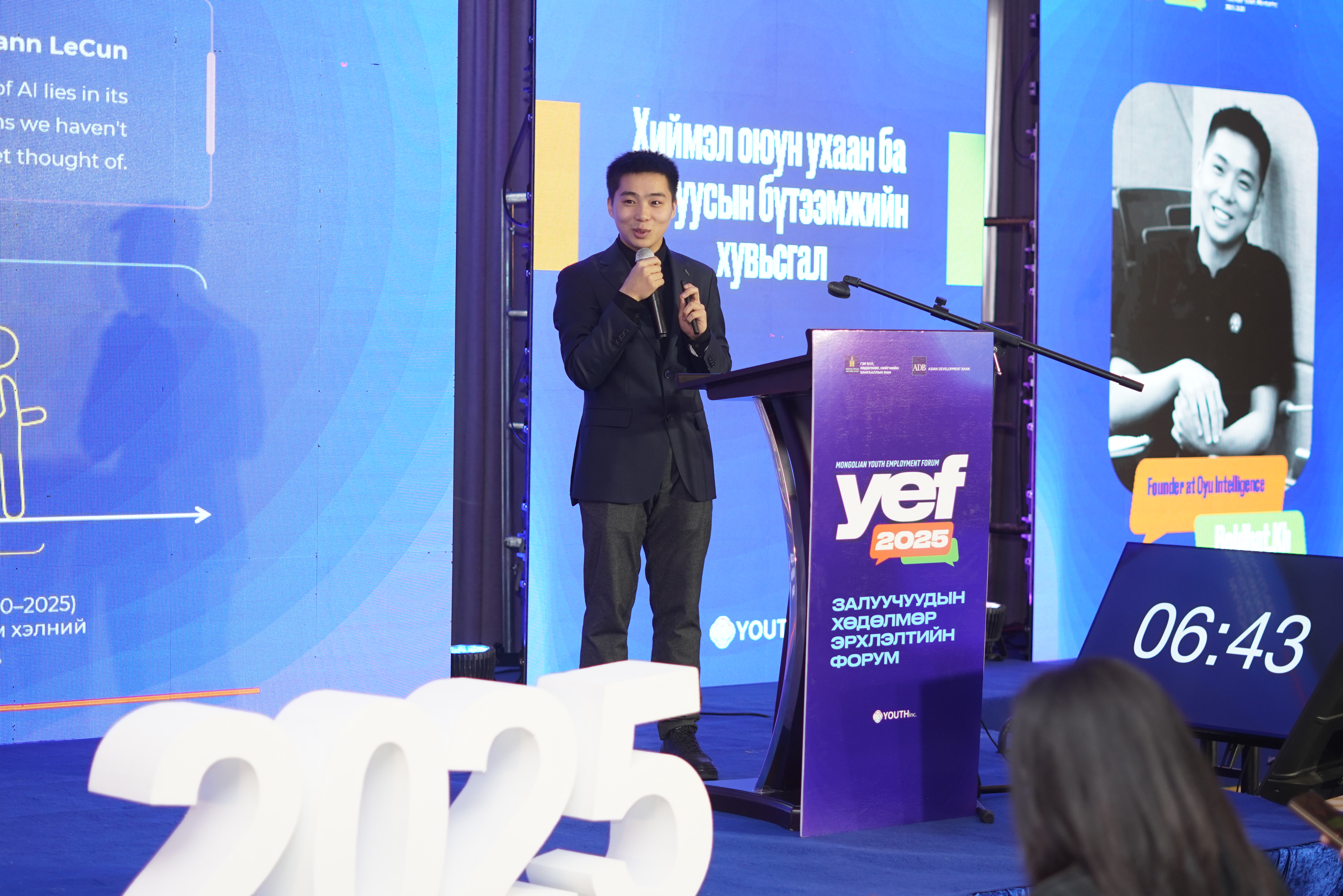
On October 30, 2025, we had the opportunity to participate in the Insight Youth Employment Forum (YEF) 2025 in Ulaanbaatar. Our CEO, Boldbat Khuukhenduu, was invited as a guest speaker to share perspectives on how technology intersects with youth employment challenges and opportunities.
A Diverse Gathering
The forum brought together over 200 participants representing different sectors and perspectives:
- Government representatives from the Ministry of Labor and Social Protection
- Private sector business leaders
- International organizations including the Asian Development Bank
- Civil society and youth organizations
- Educational institutions
- Students and young professionals
The event was organized by the Ministry of Labor and Social Protection, with support from the Asian Development Bank and YOUTHinc - Mongolian Young Professionals Association.
This diversity of participants made for rich discussions, as each group brought different insights into the challenges and potential solutions for youth employment.
Understanding the Challenge
The forum highlighted several important realities about Mongolia's employment landscape:
The Numbers
- Mongolia has 2.4 million people of working age, with 1.4 million currently employed
- Projections suggest young people will comprise over 40% of the workforce within the next decade
- Young workers aged 15-24 stay in one job for an average of 1.6 years
- Those aged 25-29 average 1.8 years in a single position
- Despite 70,000 open positions and 55,000 registered job seekers, there's a significant mismatch between employer requirements and candidate qualifications
What These Numbers Mean
These statistics point to several underlying issues:
Short Job Tenure: Young workers changing jobs frequently could indicate several things—seeking better opportunities, misalignment between expectations and reality, or difficulty finding the right fit.
The Skills Gap: The mismatch between open positions and job seekers suggests that the skills being taught don't always align with what employers need.
Transition Challenges: While educational attainment is increasing, the path from education to meaningful employment remains difficult for many young people.
Key Themes from the Discussions
1. From Credentials to Capabilities
Multiple speakers emphasized a shift happening in the employment market: employers are increasingly looking at what people can do rather than just what degrees they hold. This is particularly evident in technology, where practical skills and problem-solving abilities often matter more than formal credentials.
This shift creates both opportunities and challenges. It opens doors for people who may not have traditional educational backgrounds but have developed skills through other means. However, it also requires rethinking how we validate and demonstrate capabilities.
2. Changing Expectations
The forum discussions revealed that young workers often prioritize different things than previous generations:
- Flexible work arrangements and remote work options
- Work-life balance
- Opportunities for learning and growth
- Meaningful work that aligns with their values
- Company culture and working environment
Understanding these priorities is important for both employers trying to attract talent and young people navigating their career choices.
3. The Role of Technology
Technology came up repeatedly in discussions, both as a challenge and an opportunity:
As a Challenge: Automation and AI are changing what skills are needed and what jobs look like. Some traditional roles are disappearing or transforming significantly.
As an Opportunity: Technology also creates new types of work and new ways of working. Digital skills are increasingly valuable across all sectors, not just in technology companies.
4. Practical Experience
There was strong consensus on the importance of practical, hands-on experience. The gap between theoretical education and practical application remains significant. Internships, apprenticeships, and project-based learning were highlighted as crucial for preparing young people for actual work.
Insights from a Technology Perspective
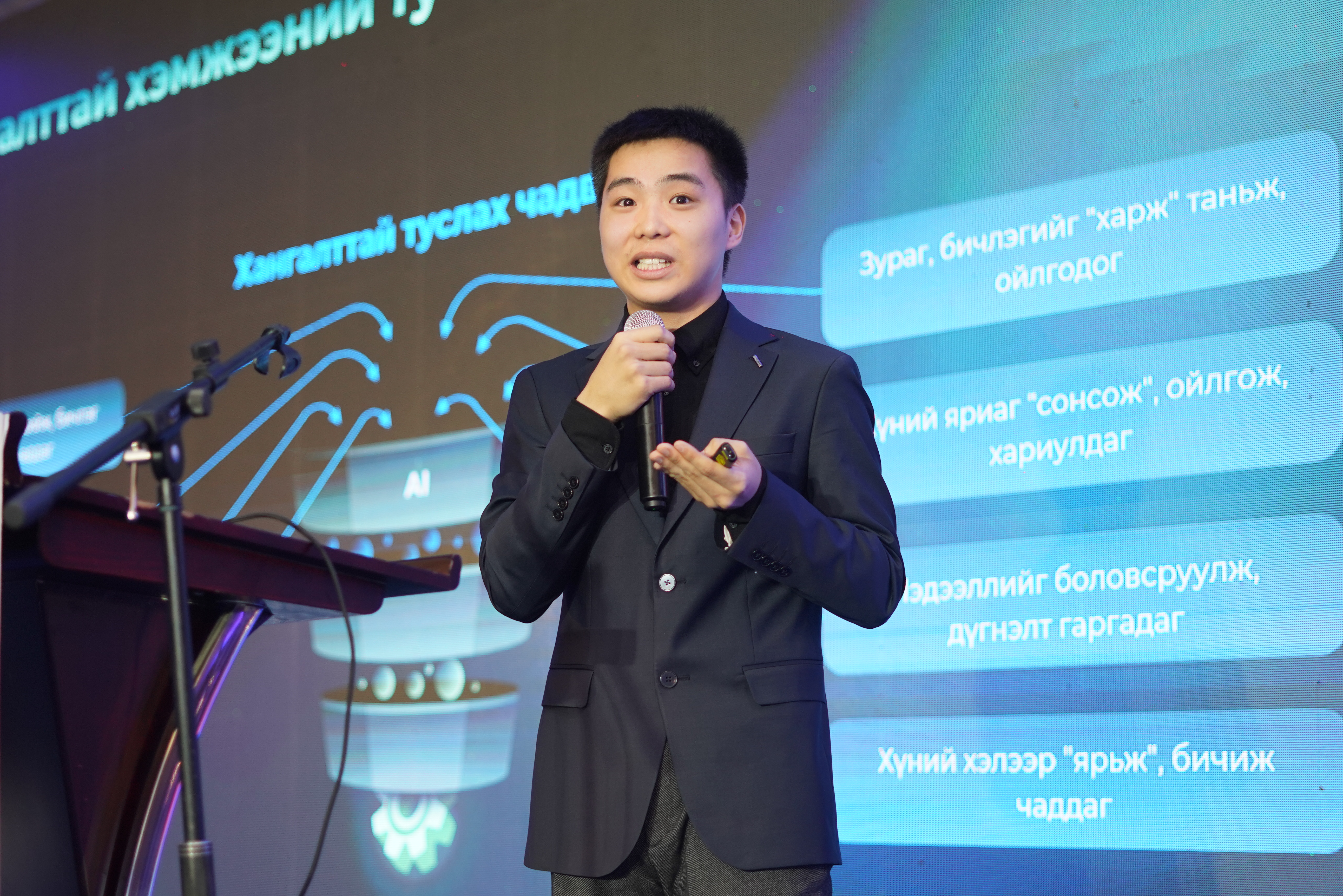
As a technology company working with AI and automation, we found several aspects of the forum particularly relevant:
The Skills Question
The shift from credential-based to skills-based hiring is something we experience directly. When evaluating candidates, we often find that practical experience with real projects matters more than specific degrees. Someone who has built actual applications, solved real problems, or contributed to open-source projects often has more relevant capabilities than someone with only theoretical knowledge.
This doesn't diminish the value of formal education—foundational knowledge matters. But it does suggest that education needs to include more hands-on, project-based work.
Technology's Dual Role
Technology is both disrupting traditional employment and creating new opportunities. This paradox came up repeatedly in discussions:
- Automation may reduce the need for certain types of routine work
- But it also creates demand for people who can build, implement, and maintain these systems
- Digital tools enable new forms of work that weren't previously possible
- Technology can make work more flexible and accessible
The key is helping people develop skills that complement technology rather than compete with it.
Continuous Learning is Essential
In technology, what you knew five years ago may not be sufficient today. The tools, frameworks, and best practices evolve constantly. This reality applies increasingly to other sectors as well.
This means:
- Education can't stop at graduation
- Companies need to invest in ongoing training
- Individuals need to take ownership of their learning
- We need better systems for validating skills learned outside formal education
What We're Trying to Do
Our participation in the forum reflects our belief that companies have a role to play in addressing these challenges:
Providing Practical Experience: We offer internship opportunities where people can work on real projects and develop practical skills.
Skills-Based Evaluation: We try to evaluate candidates based on what they can do, not just their credentials.
Supporting Continuous Learning: We encourage and support our team members in ongoing skill development.
Flexible Arrangements: We offer flexible work options that align with what many young professionals are seeking.
These aren't perfect solutions, and we're still learning. But they're steps in what we believe is the right direction.
Broader Implications
The forum made clear that addressing youth employment requires coordinated effort:
Educational Institutions need to incorporate more practical, project-based learning and maintain closer connections with industry.
Businesses need to invest in training, offer internships and apprenticeships, and be clearer about what skills they actually need.
Government needs to create policies that support both traditional employment and new forms of work, while ensuring adequate protections.
Young People need access to information, opportunities to gain practical experience, and support in navigating career choices.
All of Us need to recognize that the employment landscape is changing and be willing to adapt.
Looking Forward
The conversations at the Insight Youth Employment Forum highlighted both challenges and opportunities. The gap between education and employment is real, but it's not insurmountable. The changing nature of work creates uncertainty, but also new possibilities.
Some things that seem important going forward:
Better Bridges: We need stronger connections between education and employment—more internships, more collaboration between schools and businesses, more opportunities for practical experience.
Clearer Pathways: Young people need better information about what skills are valuable, what opportunities exist, and how to develop relevant capabilities.
Flexibility and Support: Both employers and policies need to accommodate the changing nature of work while ensuring people have adequate support and protection.
Inclusive Opportunities: We need to ensure that opportunities in growing sectors like technology are accessible to people from diverse backgrounds and regions.
Gratitude
We're grateful to the Ministry of Labor and Social Protection, the Asian Development Bank, and YOUTHinc for organizing this forum and for inviting us to participate. These conversations are important, and bringing together diverse perspectives helps us all understand the challenges and opportunities more clearly.
We're also grateful to our fellow participants—government officials, business leaders, educators, and especially the young people who shared their experiences and perspectives. These discussions are most valuable when they include voices from across the spectrum.
Our Commitment
Participating in forums like this reminds us that our work exists in a broader context. The technology solutions we build, the way we hire and develop our team, the opportunities we create—all of these connect to larger questions about employment, education, and economic development.
We're committed to being part of constructive solutions to these challenges, whether through how we operate as a company, the opportunities we create, or our participation in broader conversations about Mongolia's development.
The future of work is being shaped now, and it will be shaped by the choices we all make—as companies, as educators, as policymakers, and as individuals. We're grateful to be part of these important conversations.
If you're interested in discussing youth employment, technology's role in the changing work landscape, or how we might work together, we're always open to conversation.
