
Notes from the Insight Youth Employment Forum 2025
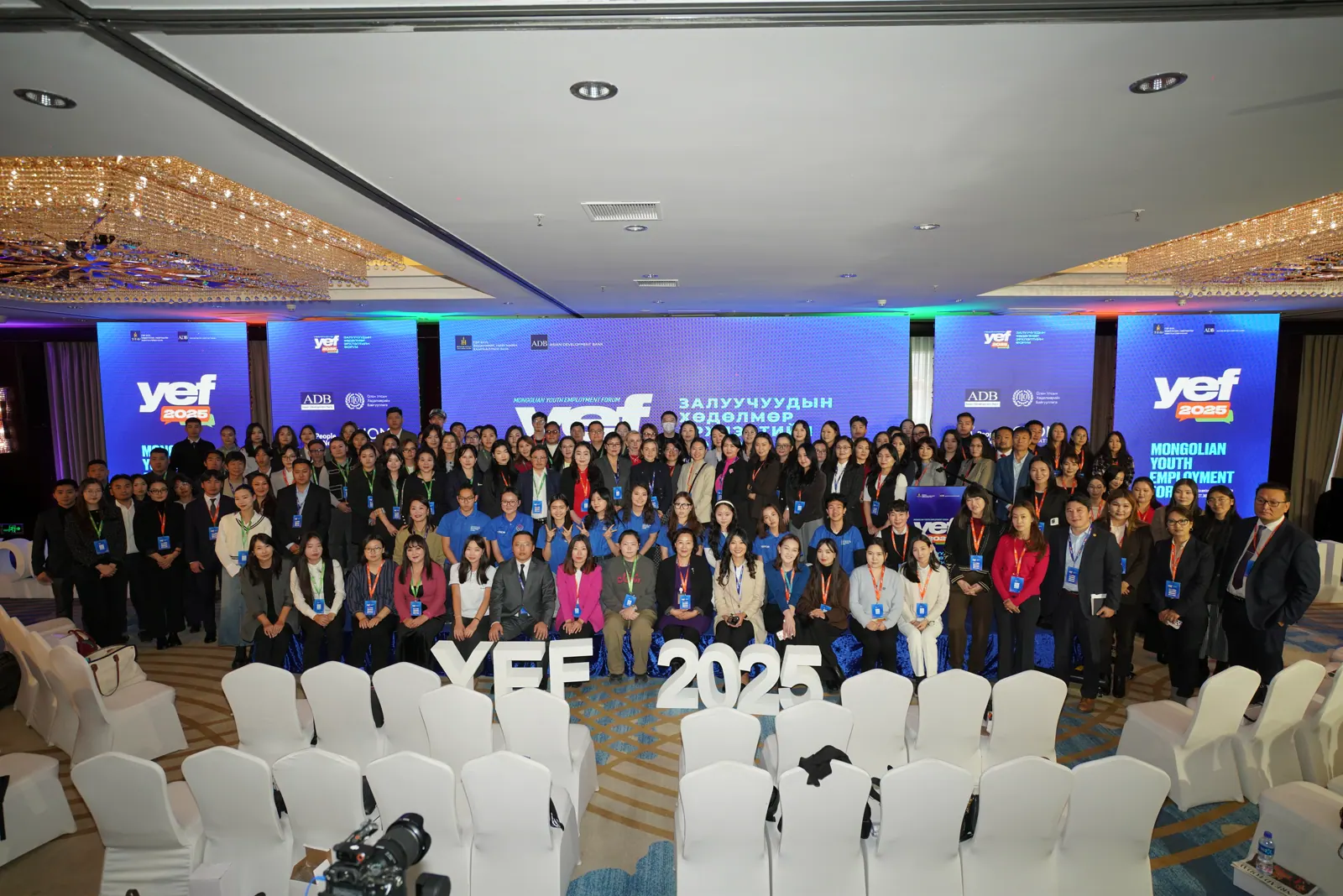
A first-party recap of the October 30 forum where Oyu Intelligence CEO Boldbat Khuukhenduu spoke about technology, practical training, and youth employment in Mongolia.
Notes from the Insight Youth Employment Forum 2025
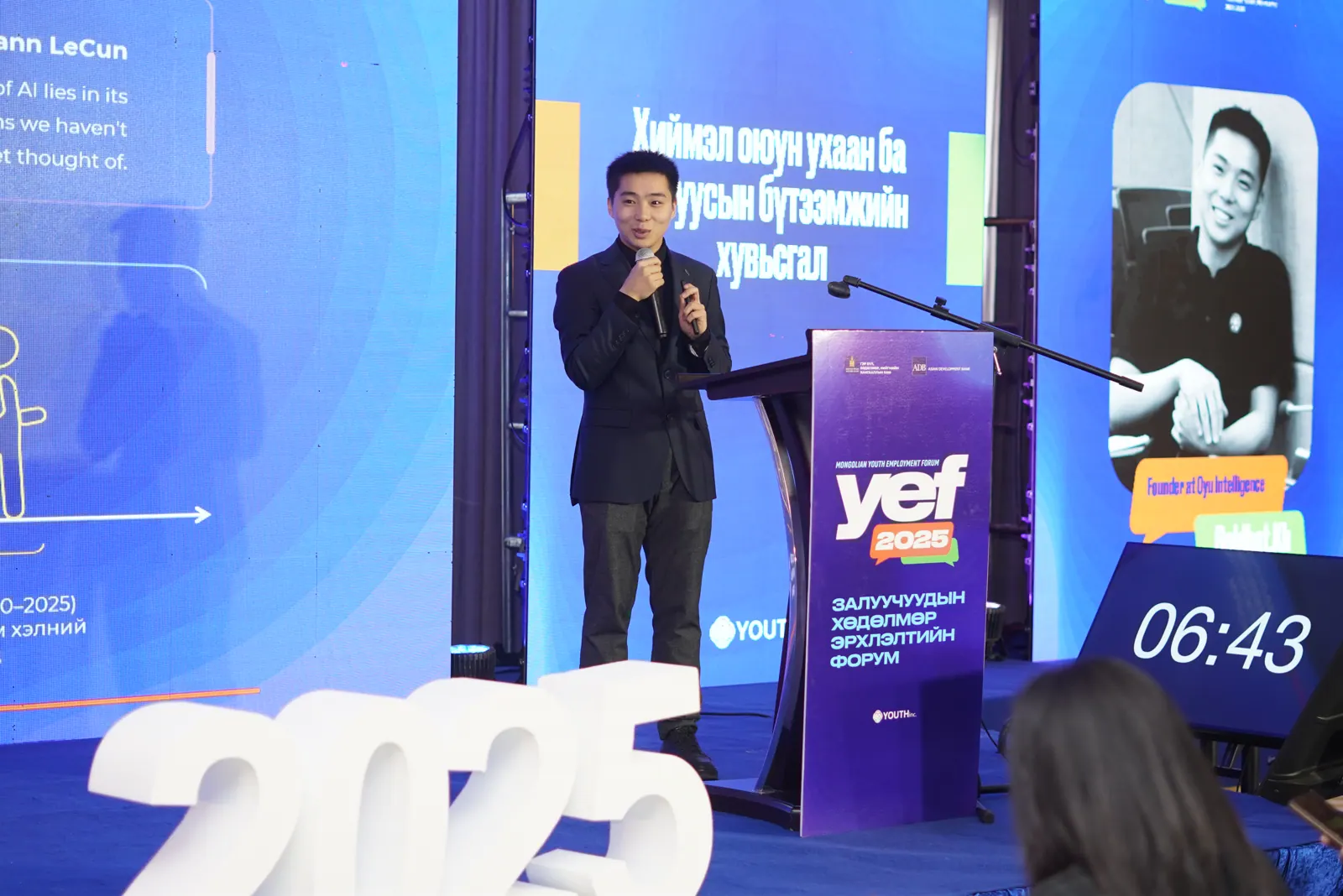
On October 30, 2025, Oyu Intelligence participated in the Insight Youth Employment Forum (YEF) 2025 in Ulaanbaatar. CEO Boldbat Khuukhenduu joined as a guest speaker for a discussion about technology, training, and youth employment.
A Diverse Gathering
According to the forum information recorded in this article, more than 200 participants attended from the following groups:
- Government representatives from the Ministry of Labor and Social Protection
- Private sector business leaders
- International organizations including the Asian Development Bank
- Civil society and youth organizations
- Educational institutions
- Students and young professionals
The event was organized by the Ministry of Labor and Social Protection, with support from the Asian Development Bank and YOUTHinc - Mongolian Young Professionals Association.
The programme was intended to bring policy, education, employer, and young-worker perspectives into the discussion.
Understanding the Challenge
The forum materials cited the following figures. The bundled post does not include the underlying statistical publication, so they should be checked against the original source before reuse elsewhere:
The Numbers
- Mongolia has 2.4 million people of working age, with 1.4 million currently employed
- Projections suggest young people will comprise over 40% of the workforce within the next decade
- Young workers aged 15-24 stay in one job for an average of 1.6 years
- Those aged 25-29 average 1.8 years in a single position
- Despite 70,000 open positions and 55,000 registered job seekers, there's a significant mismatch between employer requirements and candidate qualifications
Questions Raised by the Reported Figures
If verified against the original publication, the figures would raise several questions. They do not identify causes on their own:
Short Job Tenure: Young workers changing jobs frequently could indicate several things—seeking better opportunities, misalignment between expectations and reality, or difficulty finding the right fit.
Open Roles and Registered Job Seekers: The two totals do not show whether location, pay, occupation, experience, working conditions, or training explains the mismatch.
Education-to-Work Transition: The forum discussed how candidates demonstrate work-ready skills, but this article does not include outcome data by education pathway.
Key Themes from the Discussions
1. From Credentials to Capabilities
Our notes record multiple speakers discussing skills and completed work alongside formal credentials. This forum recap is not a survey of employer hiring criteria.
A practical implication is to make the evidence for a role explicit: qualifications where required, plus exercises, portfolios, references, or work samples where they are relevant and fairly assessed.
2. Changing Expectations
Participants discussed several factors that may affect a young worker's choice. The event notes do not establish how common each preference is or compare generations:
- Flexible work arrangements and remote work options
- Work-life balance
- Opportunities for learning and growth
- Meaningful work that aligns with their values
- Company culture and working environment
Understanding these priorities is important for both employers trying to attract talent and young people navigating their career choices.
3. The Role of Technology
Technology came up repeatedly in discussions, both as a challenge and an opportunity:
As a Challenge: A particular automation may change the tasks within a role. Workforce effects need to be measured by occupation and period rather than assumed from the technology label.
As an Opportunity: New tools can create or change tasks, but access to those opportunities depends on demand, training, location, and working conditions.
4. Practical Experience
Practical experience appeared repeatedly in our discussion notes. Internships, apprenticeships, and project work were proposed as ways to produce reviewable evidence of skills; this event did not compare their employment outcomes.
Insights from a Technology Perspective
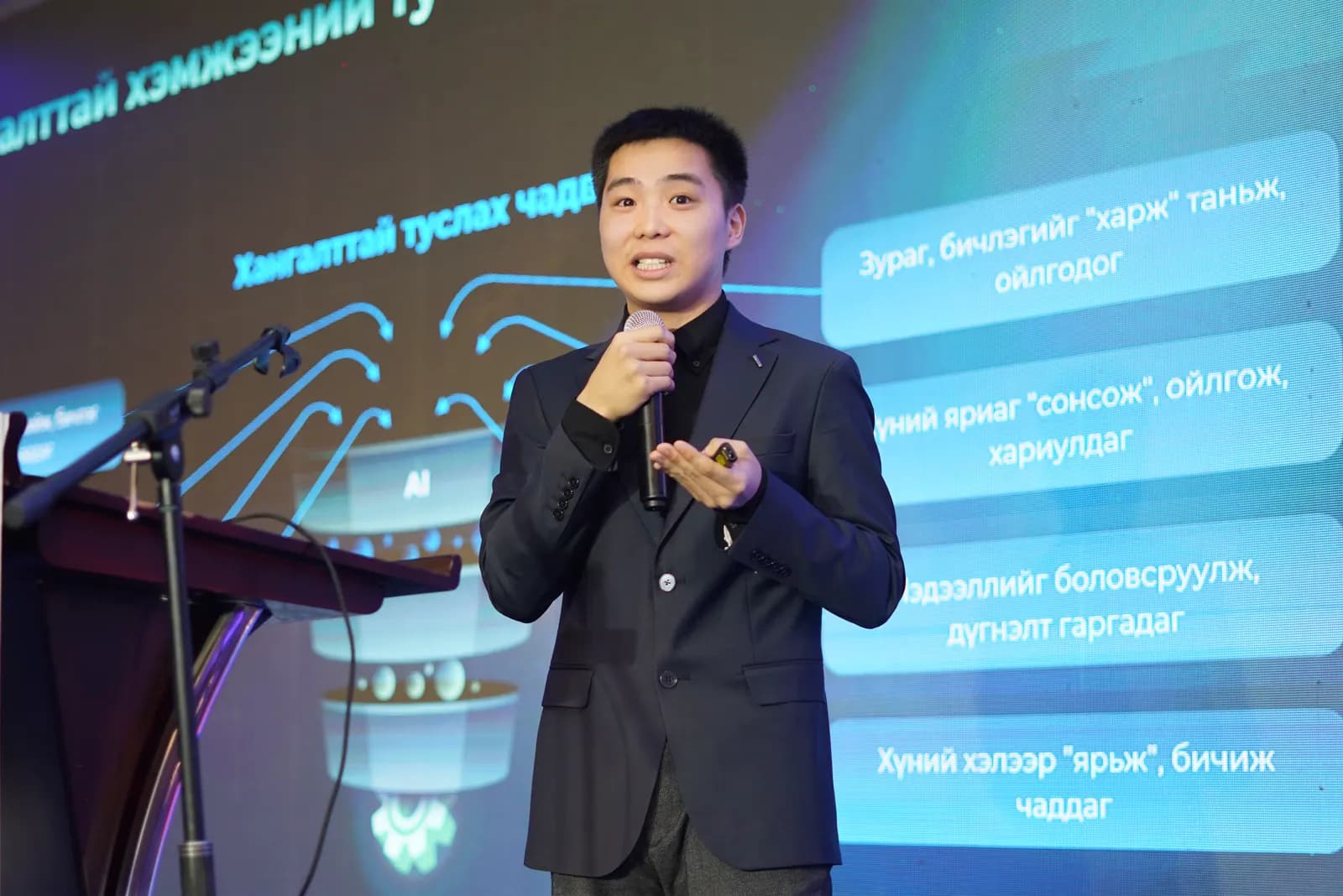
For Oyu Intelligence, several discussion points related to early-career hiring and training:
The Skills Question
For software roles, Oyu Intelligence can review completed work alongside any required qualification. A portfolio or exercise shows some practical behavior, but it should be assessed with consistent criteria and does not replace every form of education or experience.
This doesn't diminish the value of formal education—foundational knowledge matters. But it does suggest that education needs to include more hands-on, project-based work.
Technology's Dual Role
The discussion considered several possible effects that should be measured rather than assumed:
- a repeated task may require fewer manual steps;
- implementation and maintenance may introduce different tasks;
- digital delivery may change where some work can be performed; and
- access can improve for one group while new device, connectivity, or skill barriers appear for another.
Training should follow the actual task changes and the evidence employers use, not a general prediction about which jobs will disappear or appear.
Plan Learning Around the Role
Tools and practices change at different rates. A useful plan identifies the current role gap, provides time and feedback to practise, and checks whether the new skill is used reliably.
This means:
- Education can't stop at graduation
- Companies need to invest in ongoing training
- Individuals need to take ownership of their learning
- We need better systems for validating skills learned outside formal education
What We're Trying to Do
The forum produced several actions a company can choose and later evaluate:
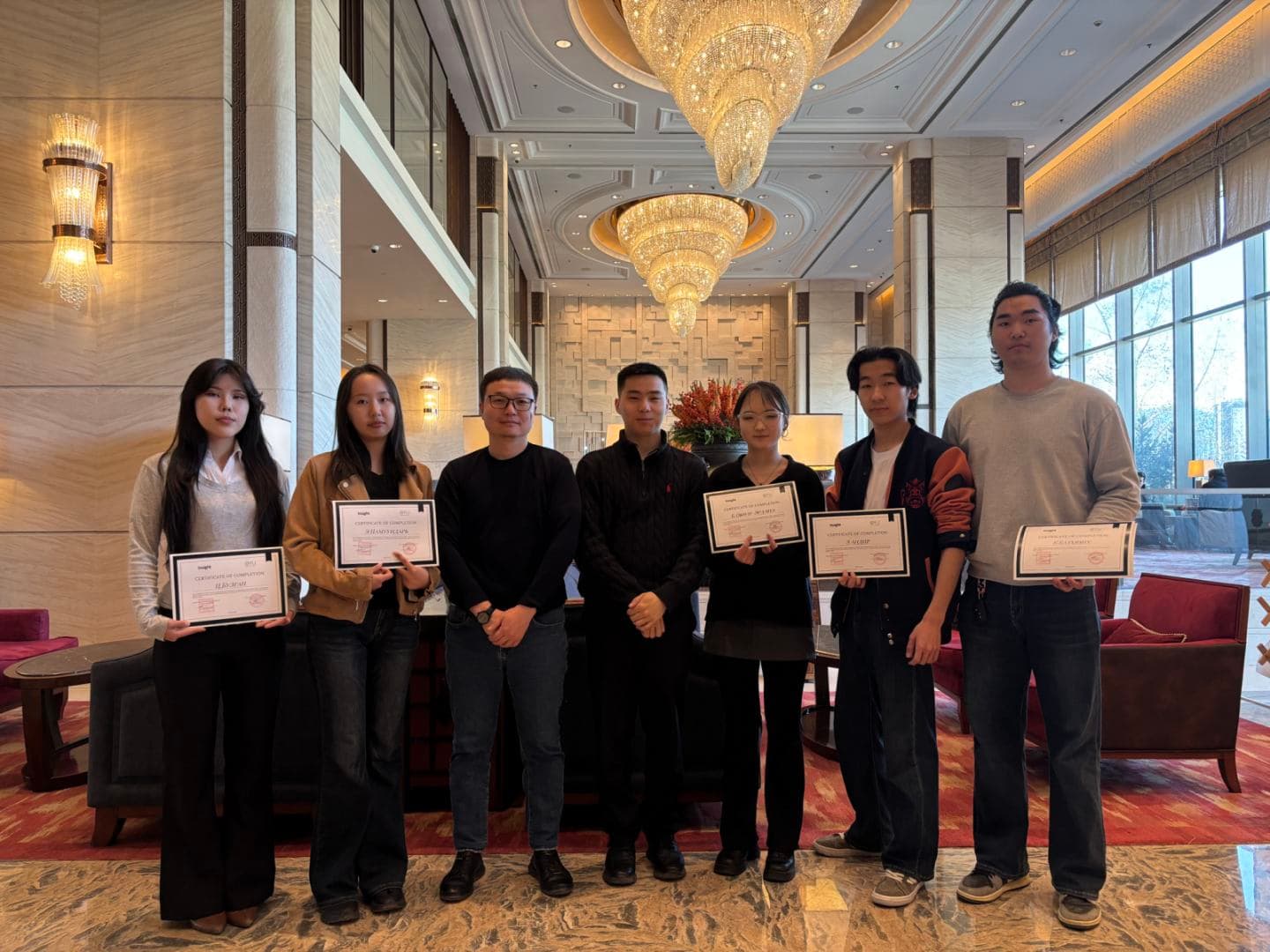
Providing Practical Experience: Oyu Intelligence's separate 2026 internship record documents one 20-day programme and two employment offers; it does not establish a wider employment outcome.
Skills-Based Evaluation: Use documented criteria and review relevant work alongside credentials required for the role.
Supporting Learning: Define which skill is needed, how practice will be supported, and how it will be assessed.
Working Arrangements: State the location, schedule, equipment, and supervision terms accurately for each opening instead of making a general flexibility claim.
These aren't perfect solutions, and we're still learning. But they're steps in what we believe is the right direction.
Broader Implications
The forum made clear that addressing youth employment requires coordinated effort:
Educational Institutions need to incorporate more practical, project-based learning and maintain closer connections with industry.
Businesses need to invest in training, offer internships and apprenticeships, and be clearer about what skills they actually need.
Government needs to create policies that support both traditional employment and new forms of work, while ensuring adequate protections.
Young People need access to information, opportunities to gain practical experience, and support in navigating career choices.
All of Us need to recognize that the employment landscape is changing and be willing to adapt.
Looking Forward
The conversations at the Insight Youth Employment Forum highlighted both challenges and opportunities. The gap between education and employment is real, but it's not insurmountable. The changing nature of work creates uncertainty, but also new possibilities.
Some things that seem important going forward:
Better Bridges: We need stronger connections between education and employment—more internships, more collaboration between schools and businesses, more opportunities for practical experience.
Clearer Pathways: Young people need better information about what skills are valuable, what opportunities exist, and how to develop relevant capabilities.
Flexibility and Support: Both employers and policies need to accommodate the changing nature of work while ensuring people have adequate support and protection.
Inclusive Opportunities: We need to ensure that opportunities in growing sectors like technology are accessible to people from diverse backgrounds and regions.
Gratitude
We're grateful to the Ministry of Labor and Social Protection, the Asian Development Bank, and YOUTHinc for organizing this forum and for inviting us to participate. These conversations are important, and bringing together diverse perspectives helps us all understand the challenges and opportunities more clearly.
We're also grateful to our fellow participants—government officials, business leaders, educators, and especially the young people who shared their experiences and perspectives. These discussions are most valuable when they include voices from across the spectrum.
What Oyu Intelligence Took Away
The discussion connected directly with two practical areas for Oyu Intelligence: evaluating early-career candidates through completed work and making training closer to real software and data tasks.
Those observations informed the company's 2026 internship program, but this forum recap does not establish a wider employment impact.
We thank the organizers, speakers, and participants. This is a first-party event summary rather than an independent report of Mongolia's labor market.

Read Next
Related notes
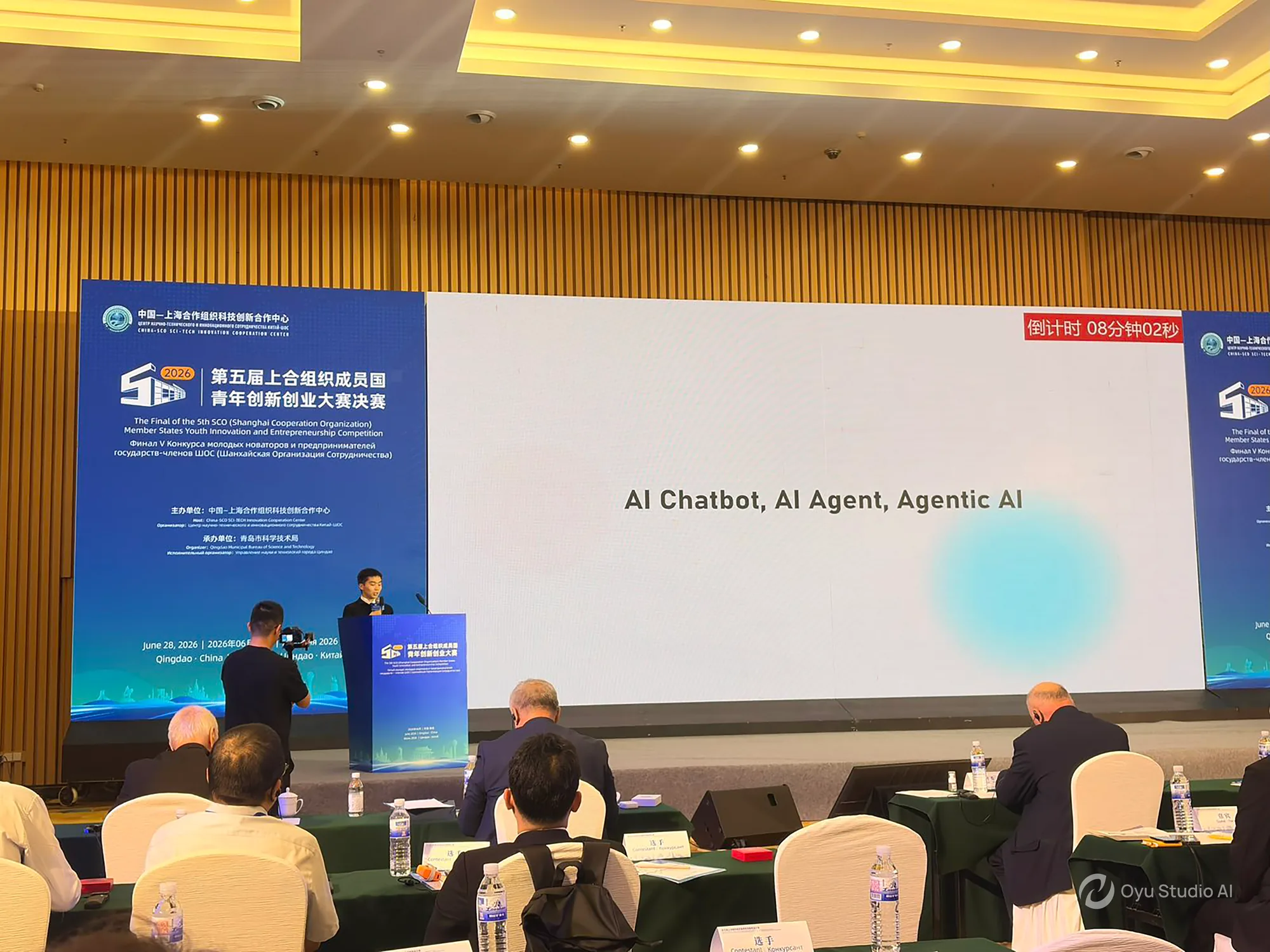
Oyu AI Receives an Excellence Award at the 2026 SCO Youth Innovation and Entrepreneurship Competition
Selected from 230 projects across ten qualifying regions, Oyu AI joined 20 finalists from eight countries in Qingdao and received an Excellence Award for its no-code data processing and visualization platform.
From Learning to Opportunity: Oyu Intelligence’s 2026 Internship Program
Close to 30 participants completed a 20-day applied AI, software, and data program run with Insight Research Company; two later received full-time offers from Oyu Intelligence.
Notes from the D-TECH YOUTH 2025 AI and Technology Panel
A first-party recap of the October 11 panel moderated by Oyu Intelligence CEO Kh. Boldbat on technology skills, practical experience, and youth participation in Mongolia.