
A 2024 Social Media Planning Checklist

An archived checklist for choosing channels, planning content, handling audience data, and measuring business outcomes.
A 2024 Social Media Planning Checklist
This archived 2024 checklist describes options for planning social media work. None of them guarantees growth: each choice should be tied to a defined audience, a realistic production cost, consent and platform rules, and a measurable business objective.
1. Platform-Specific Content Strategies
Different channels supported different formats and audience behaviors in 2024. Examples included:
- TikTok: Short-form video content that emphasizes authenticity and trends
- Instagram: Visual storytelling through a mix of Reels, Stories, and curated feed posts
- LinkedIn: Thought leadership content and professional insights
- X (Twitter): Real-time engagement and conversation participation
- YouTube: In-depth, valuable content that addresses specific audience needs
Rather than assuming every channel needs unique content, teams can test whether adapting a useful core idea improves reach, qualified responses, or another chosen metric enough to justify the extra work.
2. Community Building Over Follower Count
Community work can be planned around useful interaction instead of follower count alone:
- Creating dedicated spaces for customer interaction (groups, communities)
- Facilitating conversations between community members
- Recognizing and highlighting community contributors
- Developing exclusive content and experiences for community members
- Using community insights to inform product development and marketing
Any claimed effect on loyalty or referrals needs to be measured separately from likes, comments, and follower growth.
3. Social Commerce Integration
Some platforms offered commerce features that connected content with product discovery or checkout:
- Shoppable posts and in-app purchasing
- Live shopping events with real-time interaction
- User-generated content featuring products
- AR try-on and visualization features
- Influencer collaborations with direct purchase options
These features can shorten the path to a purchase, but teams still need to test conversion, returns, support cost, and customer consent rather than infer sales from engagement.
4. Value-First Content Approach
One useful planning hypothesis is that content should help, inform, or entertain a defined audience instead of only repeating promotional messages:
- Educational content that solves specific problems
- Entertainment that creates positive brand associations
- Inspirational stories that connect emotionally
- Practical resources that can be saved and referenced
- Behind-the-scenes content that builds transparency and trust
Whether that approach improves recall, qualified enquiries, or sales depends on the audience and should be tested.
5. Employee Advocacy Programs
Employee participation can extend a company's distribution when it is voluntary and supported by a clear policy:
- Structured programs that encourage employee sharing
- Training and resources for effective social media use
- Recognition for employees who drive engagement
- Content co-creation with team members
- Authentic workplace culture showcases
Teams should protect employee choice, disclose relevant relationships, and measure the programme without pressuring personal accounts.
6. Data-Driven Personalization
Teams were experimenting with more segmented content and advertising:
- Segmented content strategies for different audience groups
- Dynamic ad creative that adapts to user preferences
- Personalized response strategies for different customer types
- Custom content recommendations based on engagement history
- Tailored offers and promotions based on behavior patterns
Segmentation should use data that the organisation is permitted to process. Its value should be tested against a non-personalised baseline, including the cost and privacy risk of collecting the data.
7. Ethical and Transparent Practices
Trust, disclosure, representation, and data handling are part of campaign quality:
- Clear disclosure of sponsored content and partnerships
- Transparent data collection and usage policies
- Authentic representation in imagery and messaging
- Consistent brand values across all communications
- Responsible handling of sensitive topics and conversations
Applicable advertising, privacy, and platform rules should be checked for each market; a transparency statement alone is not evidence of compliance or trust.
8. Integrated Social Listening and Response
Social listening can connect public conversations with defined research and response processes:
- Real-time trend identification and response
- Competitive analysis and benchmarking
- Product development insights from customer conversations
- Crisis prevention through early issue detection
- Opportunity identification for timely content and campaigns
Public posts are a partial and potentially biased signal. Teams should document how findings were sampled and confirm important decisions with other customer evidence.
Conclusion
Reach and engagement are channel metrics, not business outcomes by themselves. A useful plan names the intended audience action, tracks leads or transactions where consent permits, records production and media cost, and reviews whether the result justified that cost.
For Oyu Intelligence, this article is retained as historical planning guidance. It does not establish current platform expertise or customer results.

Read Next
Related notes

Beyond the Hype: Preparing Enterprise Infrastructure for the Agentic Era
A pragmatic analysis of how enterprise architectures must evolve to support autonomous agentic workflows and the gradual transition toward highly capable, multi-domain AI systems.
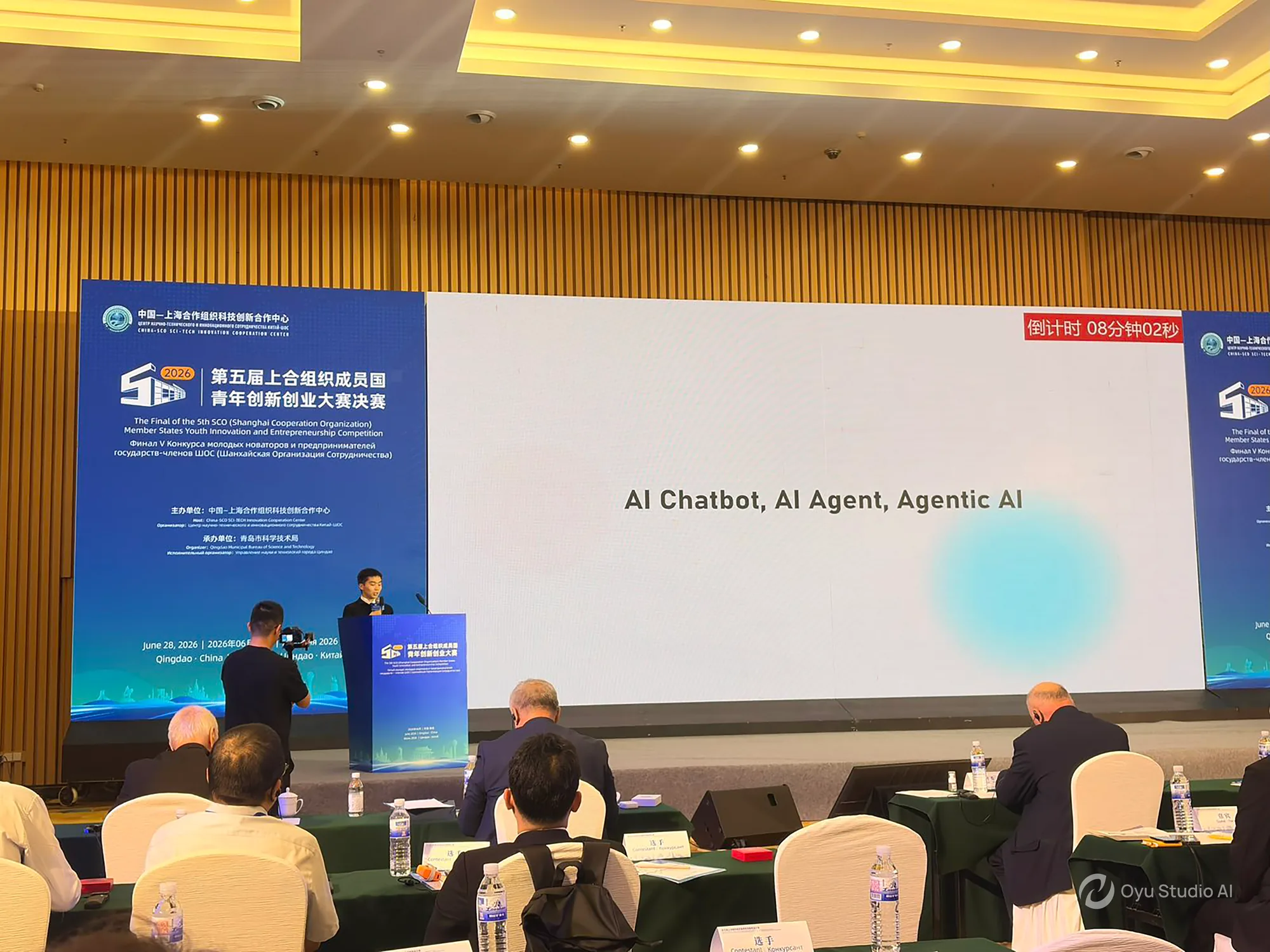
Oyu AI Receives an Excellence Award at the 2026 SCO Youth Innovation and Entrepreneurship Competition
Selected from 230 projects across ten qualifying regions, Oyu AI joined 20 finalists from eight countries in Qingdao and received an Excellence Award for its no-code data processing and visualization platform.

From Learning to Opportunity: Oyu Intelligence’s 2026 Internship Program
Close to 30 participants completed a 20-day applied AI, software, and data program run with Insight Research Company; two later received full-time offers from Oyu Intelligence.