Project Type and Positioning
Stage: product concept. LookLuxe AI is framed as a wardrobe-first mobile experience. Shopping is treated as an optional response to a genuine wardrobe gap, not the default product goal.
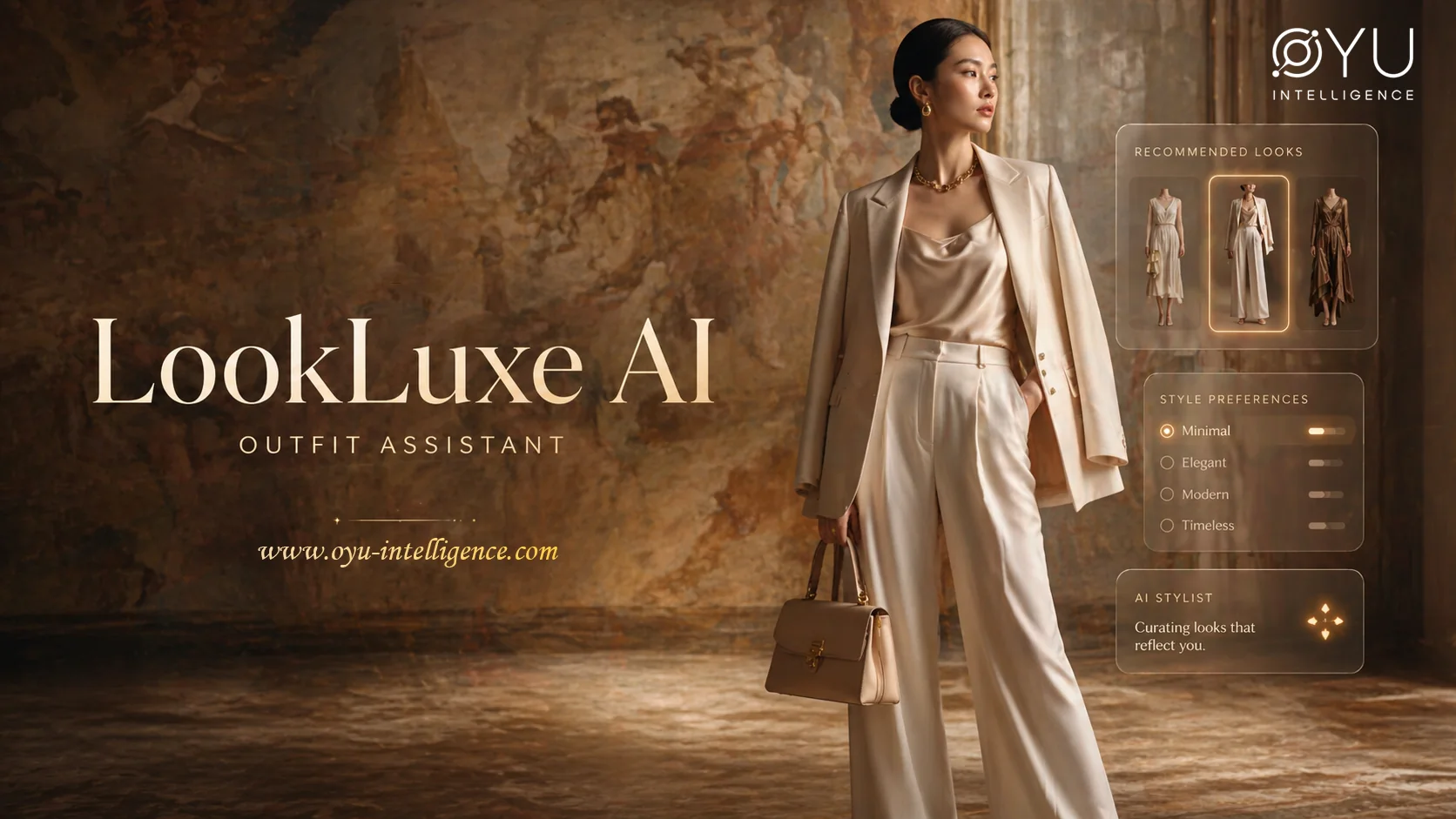
LookLuxe AI – Outfit Assistant
A mobile product concept for organizing owned clothing and preparing outfit suggestions from wardrobe, occasion, and weather context.
A mobile wardrobe-product concept that begins with clothing a person owns and uses context to support outfit planning.
Plans suggestions around owned items, weather, occasion, and stated preferences.
Structures garment records so users can find, combine, and reuse what they already own.
Treats product discovery as a way to fill a wardrobe gap, not the core product claim.
Stage: product concept. LookLuxe AI is framed as a wardrobe-first mobile experience. Shopping is treated as an optional response to a genuine wardrobe gap, not the default product goal.
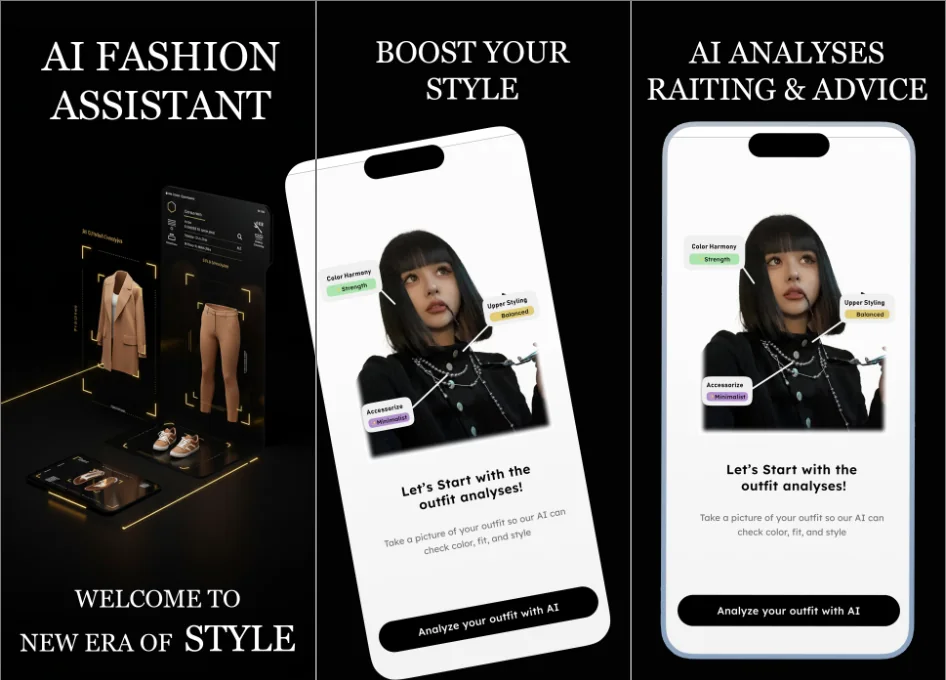
Users would add clothing to a digital wardrobe, describe preferences, and receive outfit suggestions for weather and occasions. Camera-based feedback and product discovery are later or supporting ideas in the brief.
People may own useful clothing but struggle to remember it, combine it, or choose an outfit for a specific situation. A structured wardrobe can make those decisions easier without immediately recommending another purchase.
The product direction is to make wardrobe setup understandable, help users reach a first useful outfit, and learn from explicit feedback. Retention and recommendation quality remain measures to validate, not established results.
The intended users include students, professionals, travelers, creators, and others who regularly plan outfits from their own clothing.
The documented scope includes onboarding, garment capture, wardrobe organization, outfit planning, weather and occasion context, feedback, saved looks, and optional product discovery.
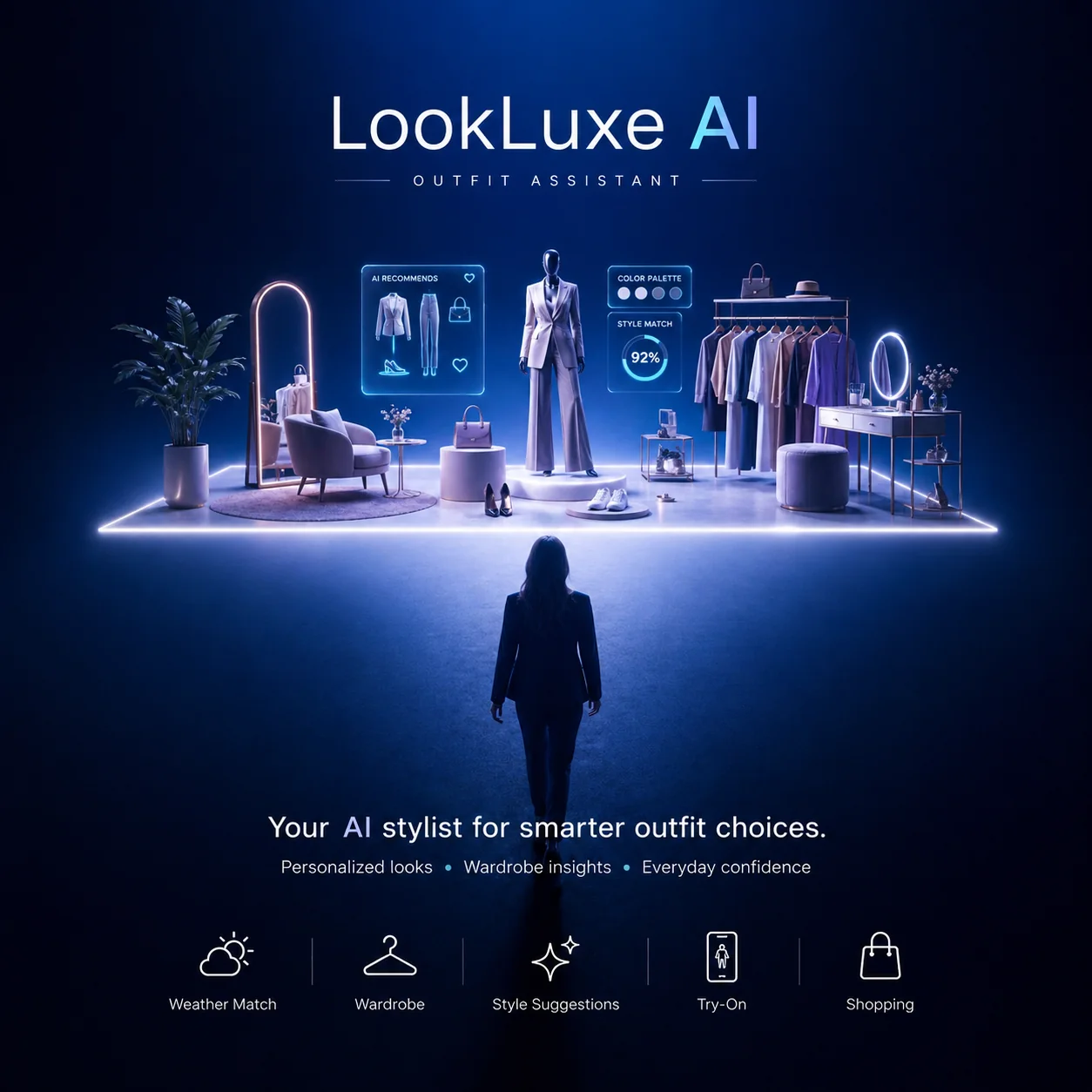
Planned functions include wardrobe records, outfit combinations, context filters, saved looks, preference feedback, and optional camera or shopping assistance.
The brief names mobile, computer-vision, recommendation, weather, storage, authentication, payment, and analytics technologies as options. The final deployed stack is not verified by this portfolio source.
The product direction and feature set are documented. Download, retention, rating, and brand-partnership figures in older source material are not independently supported and are intentionally not presented as public achievements.
Key risks are a demanding wardrobe setup, weak recommendations, body-image harm, privacy concerns, and overly commercial suggestions. The product direction calls for gradual setup, user controls, careful language, private imagery, and wardrobe-first recommendations.
Subscription and optional commerce relationships are proposed possibilities. No current subscription revenue, active affiliate program, or brand partnership is verified here.
The intended change is faster outfit planning and better use of owned clothing. Activation, repeat use, saved outfits, and user-reported usefulness would need to demonstrate that outcome.
The concept prioritizes a person’s actual wardrobe and situation over a generic shopping feed. That is a product principle, not a claim of proven market traction.
Intended users
People who want to organize an existing wardrobe and make everyday outfit decisions
Documented year
2025
Status and category
PRODUCT CONCEPT · FASHION
Technology direction
Describe the current job, the inputs and systems involved, and the result your users or team need.
Send a project brief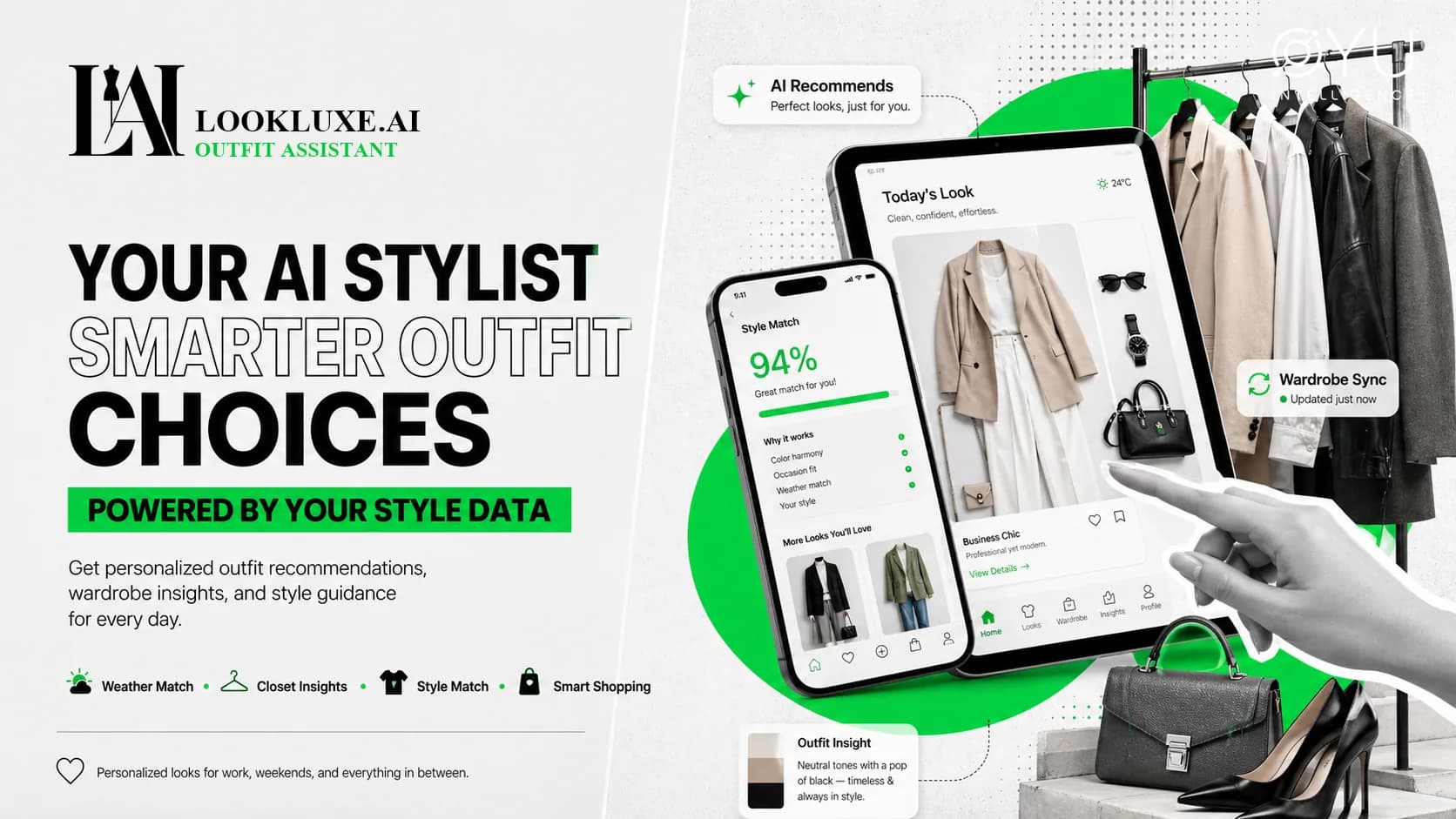
A product concept for turning disconnected business records into governed datasets, readable dashboards, and source-linked answers.
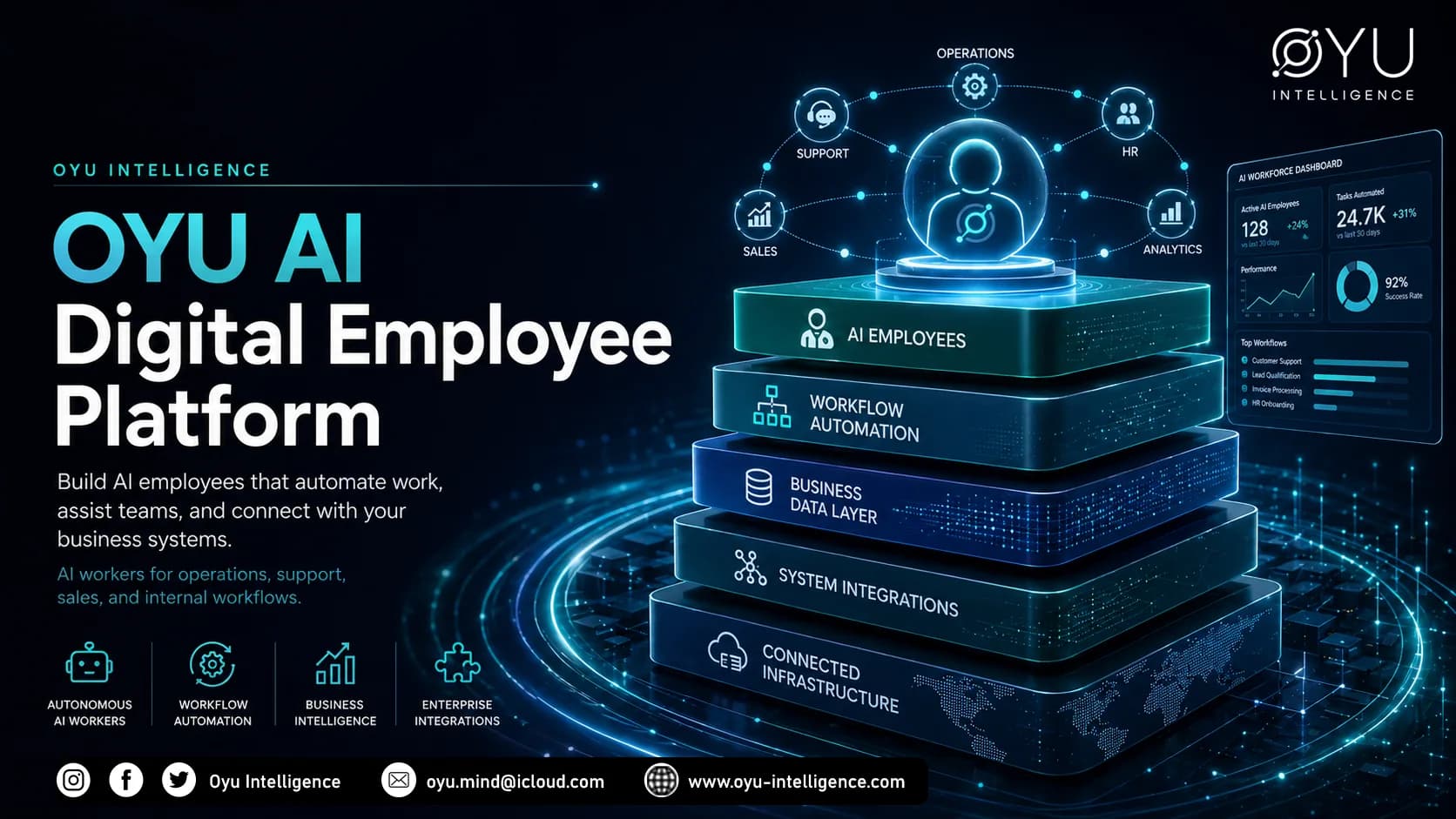
A proposed enterprise system for assigning narrow, permissioned tasks to AI workers while people retain approval and accountability.